‘High risk’ sustainment: How Boeing and the Air Force battled over T-7 data rights
The Air Force is "going to struggle mightily" to sustain the T-7 Red Hawk, one source told Breaking Defense.
The Air Force is "going to struggle mightily" to sustain the T-7 Red Hawk, one source told Breaking Defense.
Breaking Defense embedded with the Army's red team during the Ivy Mass exercise. The key takeaways will drive tactics and procurement going forward.

AI-enabled workflows accelerate production, but cybersecurity and governance remain central.
Experts said that this deployment could lay the foundation for how the Navy develops its concept of operations for unmanned systems.
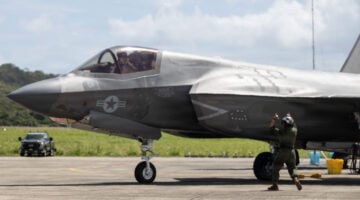
Rep. Rob Wittman told Breaking Defense that while he expected issues with the new APG-85 radar to eventually be resolved, in the interim the US military will be left with “lots of aircraft out there, but not ones that are ready to go to the fight.”
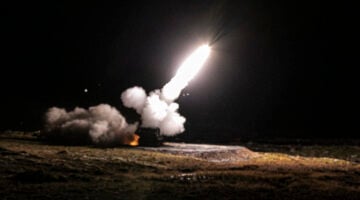
To increase munitions stockpiles, the US military needs more solid rocket motors. Deep into the supply chain, there are still problems, executives told Breaking Defense.

An analysis by AEI conducted in partnership with Breaking Defense scoured thousands of pages of fiscal 2026 Pentagon budget documents, some of the most definitive accounting yet for DOGE’s impact at the Department of Defense.
Supply chains are only as strong as their weakest link, which has been repeatedly proven to be true over the last few years.

At Paris Air Show, US executives said they see multiple paths for enlarging their share of the European defense market, including coproduction deals, mergers and acquisitions, and the creation of European-based subsidiaries.
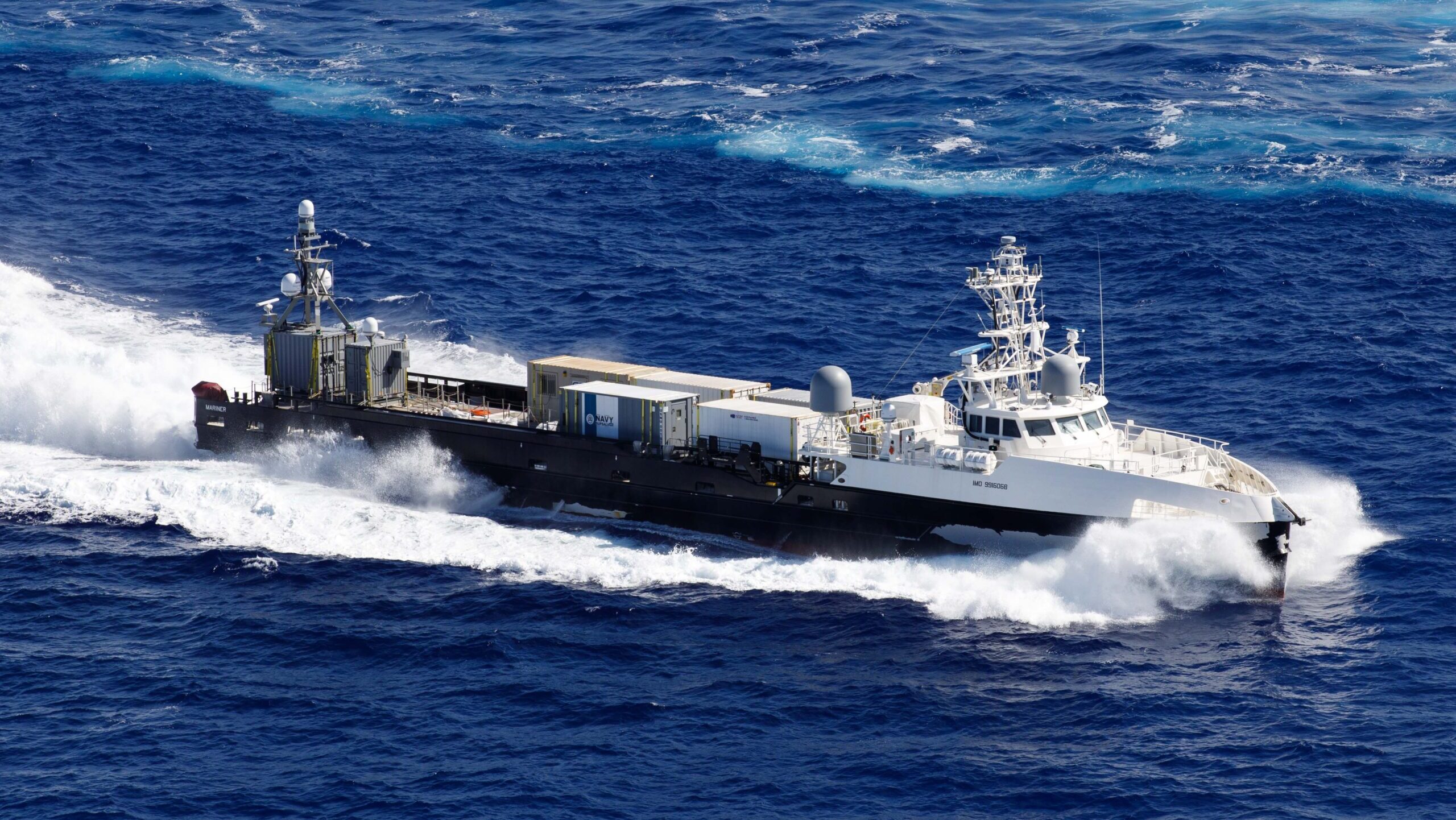
Company after company has introduced unmanned platforms, but as one analyst said, the Navy "just has not given the indication that they are buying these at scale."

Some decision-making authorities, previously closely held by the president or secretary of defense, have been delegated to US SPACECOM, according to sources, but military space leaders want more freedom to act.
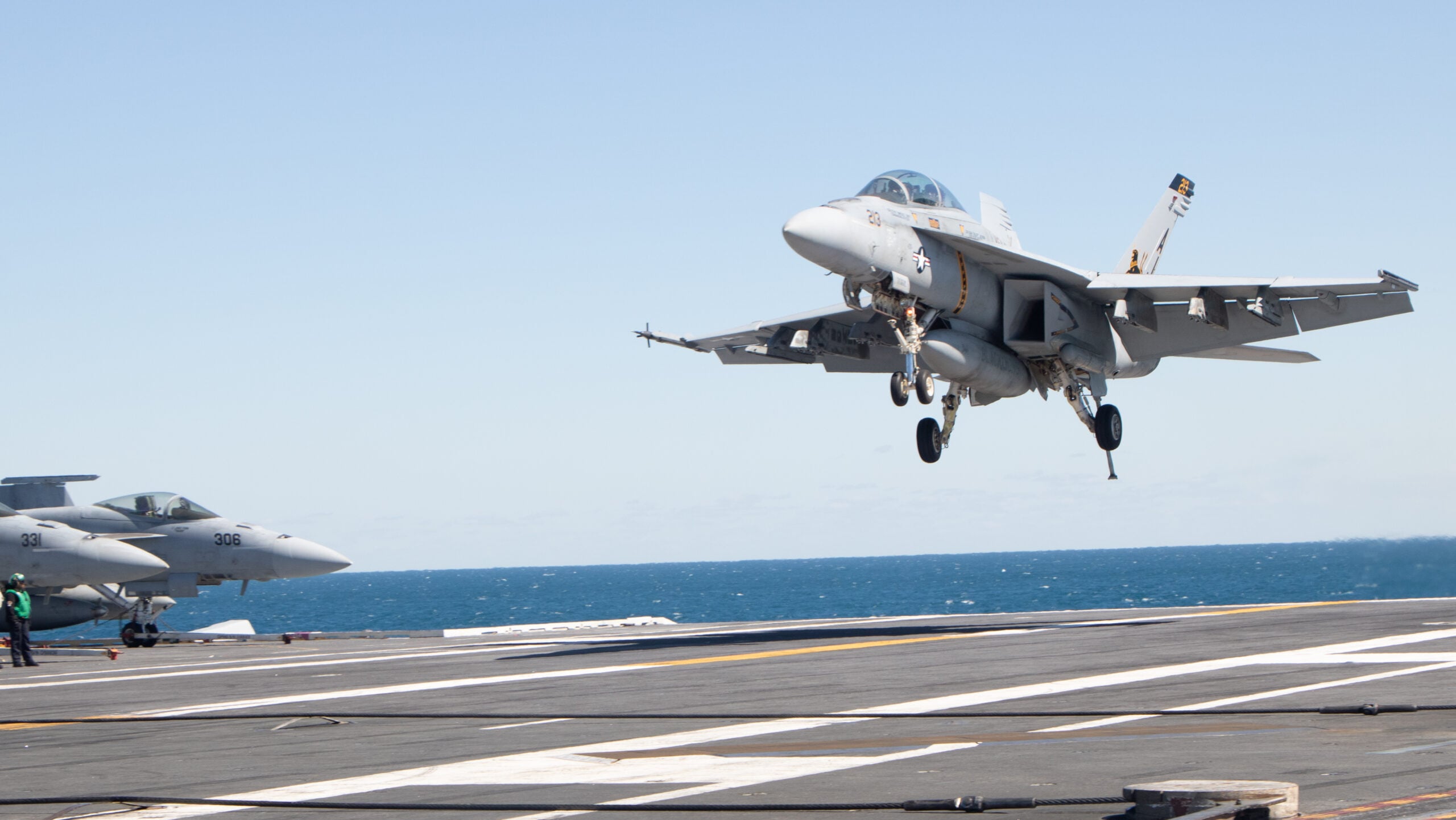
“We have everybody on board getting to know each other and working on that synchronicity that’s required, and that’s really kind of the heart of COMPTUEX. This is a rehearsal, and we’re going to get it right,” says Capt. Rick Burgess, the Ford's commanding officer.
A commercial prototype in a sandbox is different from deploying AI across classified networks.

Defense primes have rushed to wipe web pages and remove previous claims of "unwavering" commitment to DEI efforts since President Donald Trump has taken office.

The inclusion of space-based interceptors is a particularly hard nut for Moscow to swallow, given long-standing Russian belief that such weapons are aimed at undercutting the country’s nuclear retaliatory capability following a US first strike.

“By all indications, sUAS will present a safety and security risk to military installations and other critical infrastructure for the foreseeable future,” said NORTHCOM chief Gen. Gregory Guillot.
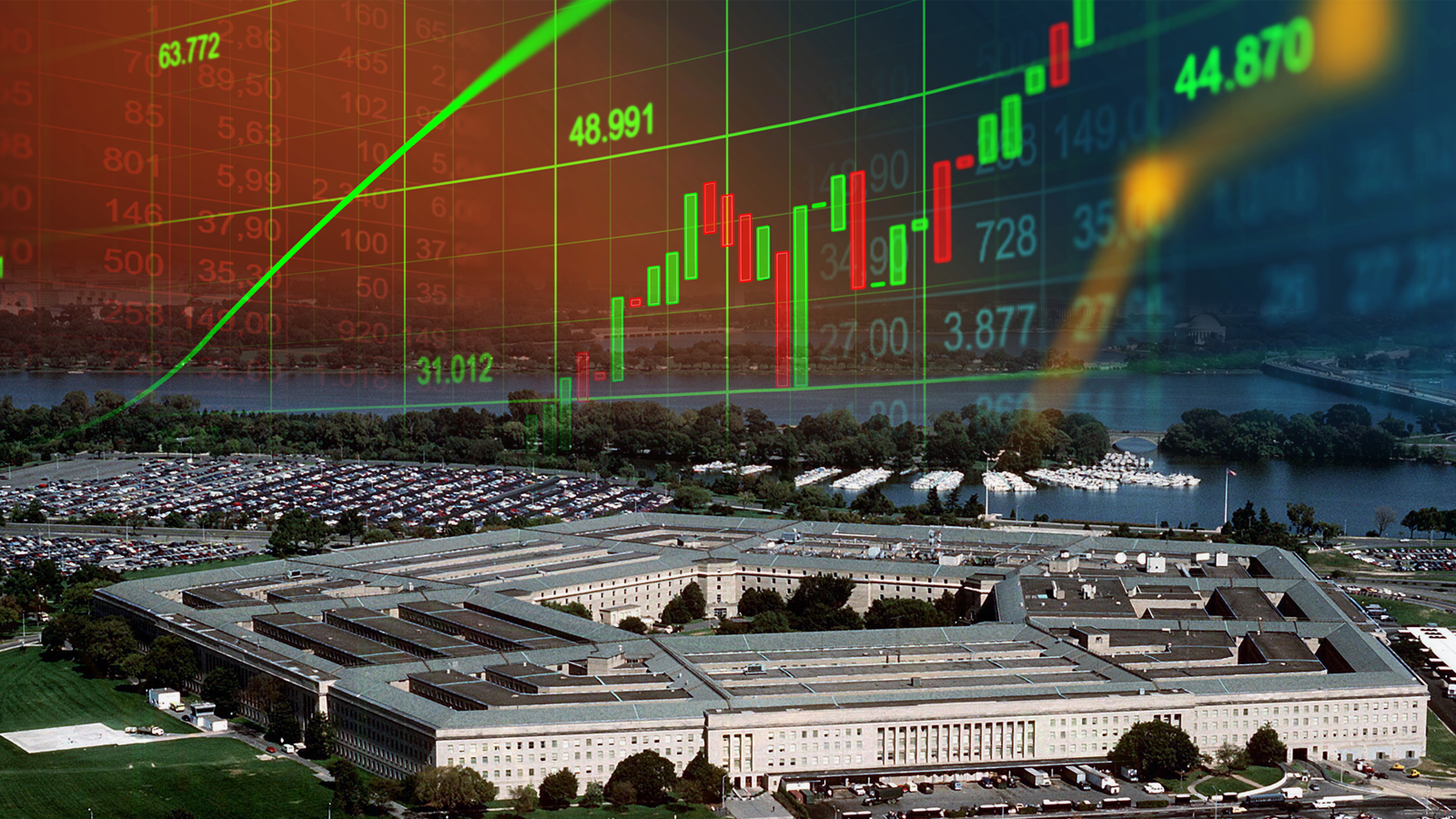
To help fight inflation, the Pentagon was given $1.05 billion to disperse to industry. Now, documents reviewed by Breaking Defense and interviews with key officials reveal how and why certain programs won out.